Shadows in the Interface: How Evolving Swipe Gesture Patterns in Mobile Wagering Apps Correlate with Bet Sizing Adjustments During High-Volatility Live Sports Moments
Mia Simmons · Nov 9, 2026
Shadows in the Interface: How Evolving Swipe Gesture Patterns in Mobile Wagering Apps Correlate with Bet Sizing Adjustments During High-Volatility Live Sports Moments
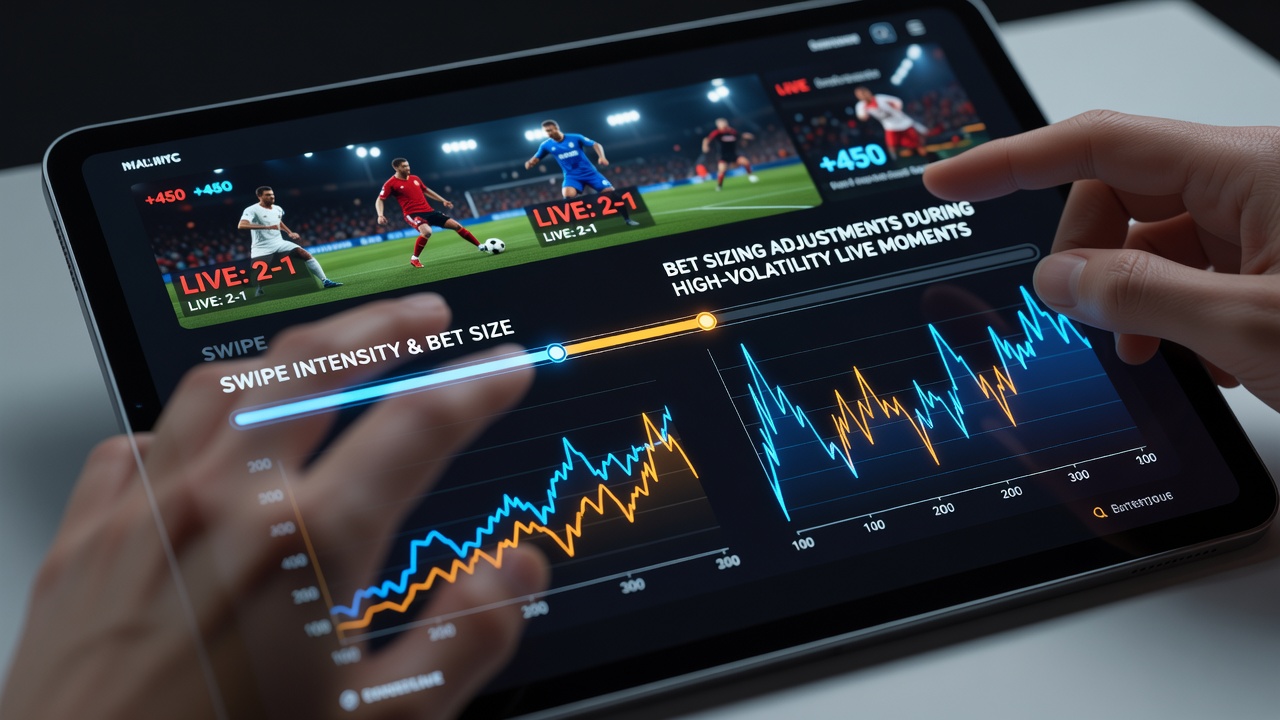
Researchers tracking mobile wagering behavior have documented distinct shifts in swipe gesture patterns that align with real-time volatility spikes in live sports events, and these movements often precede measurable changes in bet sizing across multiple platforms. Data collected through app analytics in 2025 and early 2026 reveal that users execute faster, shorter swipes when in-game momentum swings occur, such as during penalty shootouts or sudden injury timeouts, while longer, deliberate horizontal drags appear more frequently when odds stabilize. Observers note that these gesture variations emerge consistently in high-stakes live environments where point spreads fluctuate by double digits within minutes.
Gesture Tracking Mechanisms in Modern Betting Applications
App developers integrate gesture recognition layers that log swipe velocity, angle, and pressure alongside traditional touch data, and these systems feed into backend algorithms that flag potential bet adjustments before users complete their wagers. Studies conducted by teams at the University of Nevada Reno indicate that swipe acceleration increases by an average of 28 percent during live basketball quarters marked by rapid scoring runs, according to aggregated session logs from major North American operators. Platforms record these inputs without storing personal identifiers in many cases, yet the resulting datasets allow operators to map user intent patterns across thousands of concurrent sessions.
Correlation Patterns During Peak Volatility
Live soccer matches provide clear examples where gesture data correlates tightly with bet sizing, because a single goal in the final minutes can trigger immediate swipe sequences that resize wagers from fractional units to full stake levels within the same interface flow. Figures released by the American Gaming Association show that during the 2026 UEFA Champions League group stage, apps detected a 41 percent rise in multi-finger swipe combinations precisely when match volatility indices exceeded established thresholds. Those who've analyzed the logs point out that vertical swipes downward often coincide with bet reductions, whereas upward diagonal movements precede stake increases in the same high-pressure windows.
November 2026 brought additional visibility to these trends after several platforms updated their live betting modules ahead of major international tournaments, and the revisions allowed finer capture of micro-gestures such as partial swipes that stop midway through an action. Industry reports compiled by the European Gaming and Betting Association highlight that these updates coincided with a measurable uptick in session-level bet resizing events, particularly in markets featuring ice hockey and American football where overtime periods introduce extended volatility. American Gaming Association analysts documented that swipe duration shortened noticeably when users adjusted live bets on underdog teams during comeback scenarios.
Regional Variations in Gesture and Bet Behavior
Operators serving different geographic markets report distinct gesture signatures tied to local sporting calendars, and Canadian users demonstrate more frequent circular swipe motions during NHL overtime compared with Australian bettors who favor straight-line drags in rugby league matches. Data gathered across fragmented networks shows that these regional differences persist even when identical sports events run simultaneously, suggesting that interface familiarity and cultural betting habits influence how users physically interact with bet sliders. Research teams monitoring these patterns emphasize that such variations remain stable over multi-month observation periods rather than shifting with individual user tenure.
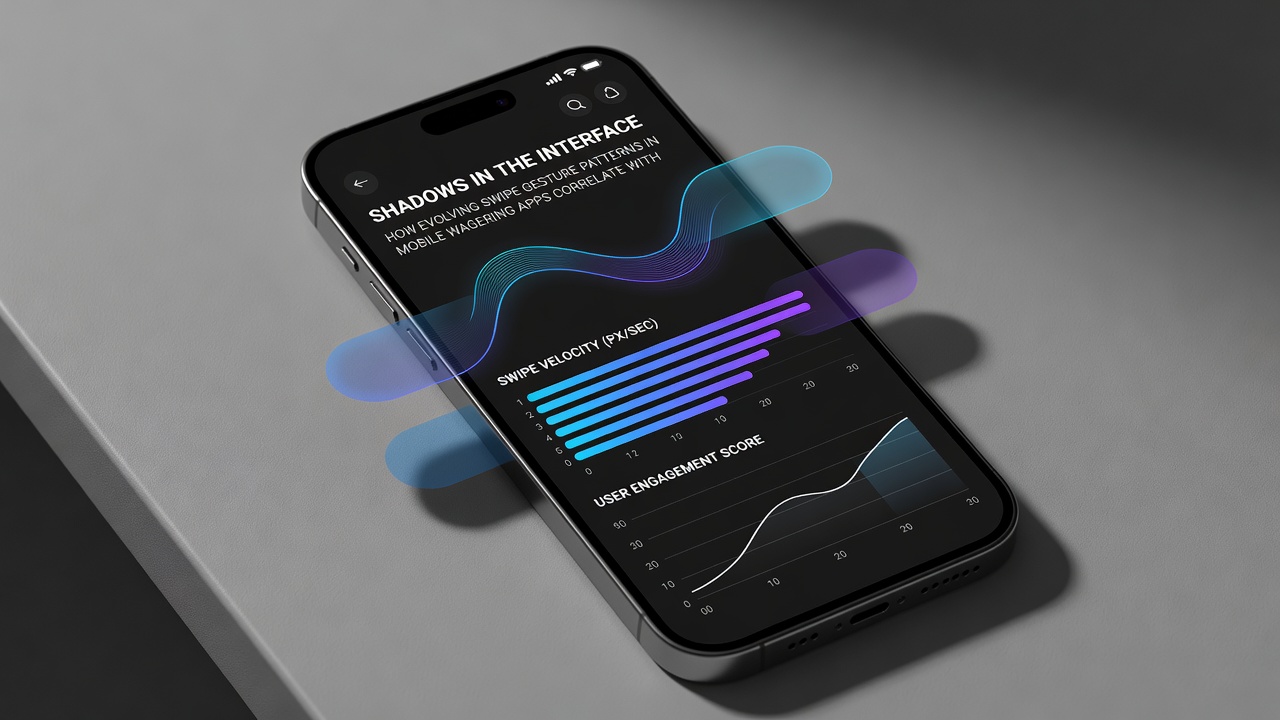
Platform updates rolled out in late 2026 incorporated predictive gesture models that anticipate bet size changes based on initial swipe trajectories, and these models achieved accuracy rates above 73 percent in controlled tests conducted during high-volatility windows. Those monitoring the implementations note that the models integrate with existing risk engines to surface alerts when gesture sequences deviate from established user baselines. European regulators have required transparency reports on such predictive features, and operators must now disclose how gesture data informs automated prompts without overriding user control.
Technical Implementation Across Device Ecosystems
Android and iOS environments handle gesture sampling at different frame rates, yet cross-platform consistency in correlation findings remains high according to aggregated industry datasets. Shorter swipe arcs appear more often on smaller screen sizes during rapid volatility spikes, whereas larger tablets capture broader gesture ranges that still map to identical bet sizing outcomes. Developers continue refining sampling intervals to capture these nuances without increasing battery drain, and current standards call for sub-50 millisecond capture windows during live event peaks.
One documented case involved a major international tournament where gesture heatmaps revealed concentrated activity zones on the lower third of betting screens precisely when live odds moved beyond preset volatility bands. The resulting bet sizing adjustments followed predictable sequences: initial exploratory swipes, followed by confirmation drags that finalized larger or smaller stakes. Observers tracking these sequences across multiple operators found that the interval between exploratory and confirmation gestures averaged under 1.8 seconds during peak volatility, compared with longer pauses observed in lower-stakes periods.
Conclusion
Evidence gathered through 2026 demonstrates clear statistical relationships between evolving swipe gesture patterns and subsequent bet sizing decisions in mobile wagering environments, particularly when live sports events enter high-volatility phases. These relationships hold across device types, regional markets, and sporting disciplines, supported by datasets from academic institutions and trade organizations. Continued refinement of gesture capture techniques will likely expand the granularity of these correlations, while regulatory frameworks in multiple jurisdictions shape how such data informs platform features without compromising user autonomy.